Evaluating Watercolor Abstract 96 Digital Paper for Creative Projects
In the landscape of digital design resources, finding a texture that balances artistic authenticity with commercial viability can be challenging. Watercolor Abstract 96 Digital Paper represents a specific category of assets designed to bridge the gap between hand-painted aesthetics and high-volume production needs. For professionals aged 20 to 50 who manage creative businesses or pursue complex side hustles, the decision to integrate this asset into a workflow requires more than just visual appeal; it demands an understanding of technical specifications, application versatility, and long-term utility.
This resource is not merely a background image; it is a functional tool intended to elevate products ranging from apparel to stationery. By analyzing its composition, resolution, and format, creators can determine if it fits their specific project requirements or if they should seek alternatives in the broader market of digital textures.
Distinguishing Features of Watercolor Abstract 96
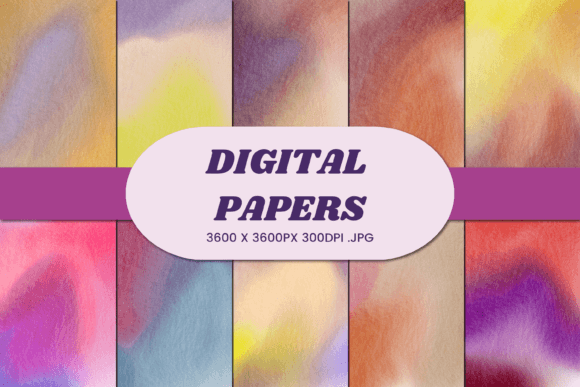
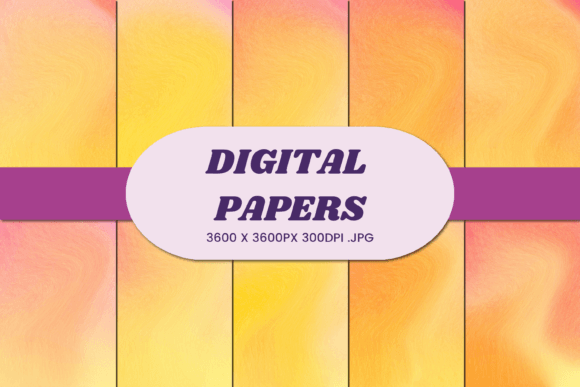
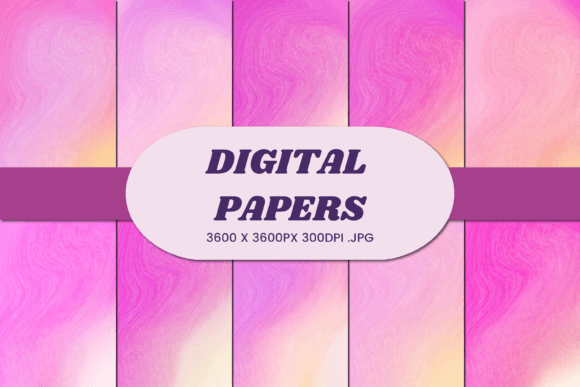
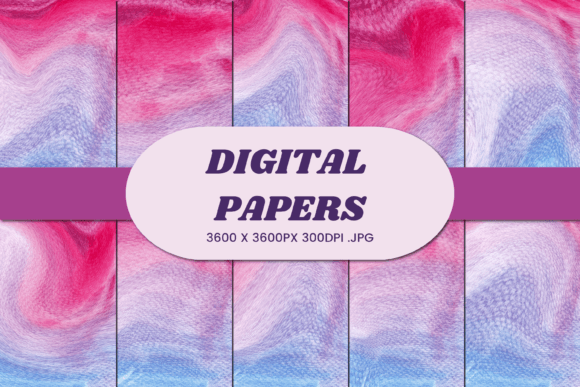
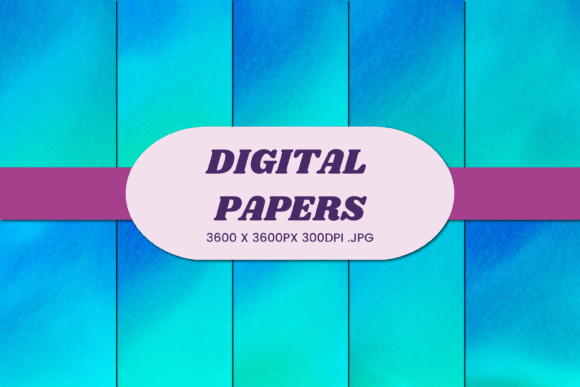
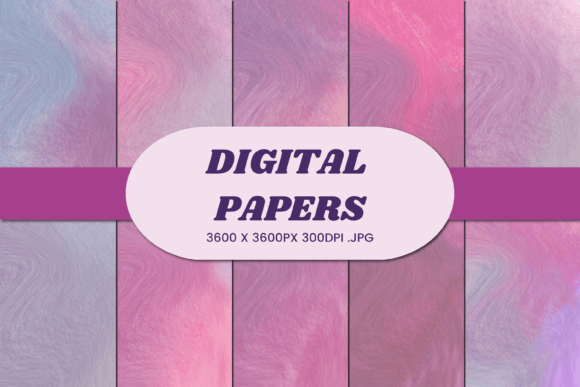
The primary distinction of Watercolor Abstract 96 Digital Paper lies in its adherence to professional printing standards while maintaining a fluid, organic aesthetic. Unlike many low-resolution digital papers found on generic stock sites, this collection is engineered for high-fidelity output. The set includes ten distinct JPG files, each meticulously sized at 3600×3600 pixels. This dimension translates directly to 12x12 inches at 300 DPI (dots per inch), which is the industry gold standard for print-on-demand services.
When evaluating digital assets, the difference between a file that looks good on a screen and one that prints crisply is often the DPI count. Many competitors offer images that are optimized only for web display, resulting in pixelation when scaled up for physical goods. Watercolor Abstract 96 avoids this pitfall, ensuring that the delicate brushstrokes and color gradients inherent in watercolor art remain sharp whether printed on a small business card or a large throw pillow.
The abstract nature of the designs offers significant flexibility. Because the patterns do not rely on rigid geometric repetition or overly specific subject matter, they serve as a neutral yet sophisticated canvas. This allows designers to layer text, logos, and other graphic elements without the background competing for attention. The result is a cohesive look that feels custom-made rather than mass-produced.
Versatility Across Commercial Applications
One of the most compelling arguments for choosing Watercolor Abstract 96 Digital Paper is its extensive range of applications. In the modern economy, a single asset must often perform multiple roles to justify its cost. This collection supports a wide array of use cases, making it a strategic investment for entrepreneurs looking to diversify their product lines.
- Apparel and Soft Goods: The high resolution makes it ideal for sublimation printing on T-shirts, blankets, and pillows. The soft edges of watercolor blends well with fabric textures, preventing the "hard" look that sometimes occurs with vector graphics on textiles.
- Merchandise and Accessories: From phone cases and mugs to stickers and tumblers, the 3600×3600 pixel size provides ample area for wrapping around curved surfaces. Specifically, for 3D sublimation tumbler wraps, the lack of repeating seams in abstract designs prevents awkward pattern breaks.
- Printed Media: The texture works exceptionally well for book covers, invitations, wedding cards, and business cards. The matte, paper-like quality of the digital watercolor adds a tactile feel to physical documents, enhancing the perceived value of the item.
- Digital Assets: Beyond physical goods, these files are suitable for social media backgrounds, website textures, and printable planners. The JPG format ensures compatibility across almost all software platforms used by freelancers and agencies.
The ability to use the same asset for both 3D mug wraps and flat book covers highlights the efficiency of this package. Creators no longer need to purchase separate textures for different product categories, streamlining their inventory management and design process.
Comparative Analysis: Digital Paper vs. Alternatives
When considering how Watercolor Abstract 96 Digital Paper stacks up against other options, it is helpful to compare it with two common alternatives: vector-based illustrations and low-resolution clipart.
Vector Graphics: Vector art is scalable and crisp, but it often lacks the organic imperfections that define watercolor art. While vectors are excellent for logos and icons, they can appear too sterile for backgrounds that require a sense of warmth and humanity. Watercolor Abstract 96 fills this niche by offering the scalability of digital files with the emotional resonance of hand-painted media. However, if a client specifically requests a minimalist, geometric style, a vector set might be a better fit.
Low-Resolution Clipart: Many free or cheap digital papers are limited to 72 DPI or lower resolutions. These are sufficient for email newsletters or blog headers but fail completely when applied to physical products. Attempting to print a low-res file on a blanket will result in blurry, jagged edges. The 300 DPI specification of Watercolor Abstract 96 places it firmly in the professional tier, distinguishing it from budget-friendly alternatives that may compromise quality.
Hand-Painted Originals: Some creators choose to paint their own textures. While this offers total uniqueness, it is time-consuming and requires specialized skills. Using a pre-made digital paper like Watercolor Abstract 96 saves hours of labor while still delivering a unique, non-generic look compared to standard solid colors or simple gradients.
Tradeoffs and Decision Factors
No single resource is perfect for every scenario. Understanding the limitations of Watercolor Abstract 96 Digital Paper is crucial for making an informed decision. The primary tradeoff involves the static nature of JPG files. Unlike layered PSD files, these images cannot be easily edited to change individual brushstrokes or color layers after purchase. If a designer needs to alter the hue of a specific element within the texture, they would need to use advanced photo editing techniques, which can be time-consuming.
Additionally, the abstract style, while versatile, may not suit brands with very specific thematic requirements. For example, a company focused on industrial manufacturing or cyberpunk aesthetics might find the soft, floral undertones of watercolor inappropriate. In such cases, a grittier texture or a geometric pattern would be a more logical choice.
Another factor to consider is the file format. While JPG is widely compatible, it does not support transparency. If a project requires a transparent background to overlay on top of another image, users would need to manually remove the white background using photo editing software. This adds a step to the workflow that is unnecessary with PNG formats, though the trade-off is often a smaller file size and faster loading times for web use.
When to Choose This Resource
Watercolor Abstract 96 Digital Paper is the right choice when the priority is a balance of high-quality print output and artistic warmth. It is particularly effective for:
- Small Business Owners: Those launching print-on-demand stores who need reliable, high-resolution assets to test new product categories without investing in expensive photography.
- Event Planners and Stationery Designers: Professionals creating wedding invitations or corporate branding materials where a touch of elegance and softness is desired.
- Social Media Managers: Individuals needing consistent, high-quality backgrounds for Instagram stories or YouTube thumbnails that stand out from plain colors.
Conversely, readers should consider alternative options if they require editable source files, transparent backgrounds, or styles that deviate significantly from organic, painterly aesthetics. For projects demanding extreme customization or specific brand-aligned geometry, exploring vector libraries or commissioning original artwork might yield better results.
Maximizing Value Through Strategic Use
To get the most out of Watercolor Abstract 96 Digital Paper, creators should treat the ten included files as a palette rather than isolated assets. Mixing different abstract patterns within a single collection can create a cohesive brand identity across various products. For instance, one pattern could serve as the background for a product packaging box, while a complementary abstract design is used for the interior lining or the accompanying thank-you card.
The 12x12 inch size also allows for easy cropping and resizing. A designer can crop a section of a larger abstract design to create a repeating pattern for fabric or wallpaper, utilizing the full potential of the high-resolution data. This flexibility ensures that the initial investment yields multiple usable variations, extending the lifecycle of the asset within a business's catalog.
Ultimately, the decision to adopt Watercolor Abstract 96 Digital Paper hinges on the need for professional-grade quality combined with artistic versatility. By providing a robust foundation for diverse applications—from 3D tumblers to elegant wedding invites—this resource empowers creators to focus on their design vision rather than worrying about technical limitations. For those seeking to elevate their brand presence through high-quality textures, this collection offers a practical and visually appealing solution.