Watercolor Forest Scrapbook Backgrounds: Elevating Your Projects Without the Common Pitfalls
There is a specific kind of magic that happens when you blend the organic chaos of nature with the structured art of paper crafting. Watercolor Forest Scrapbook Backgrounds capture this essence perfectly, offering a serene, textured foundation that transforms ordinary crafts into professional-grade creations. Whether you are a seasoned scrapbooker looking to update your digital library or a small business owner needing unique assets for branding, these designs provide an immediate aesthetic upgrade. However, simply downloading a set of images does not guarantee success. Many creators rush into using digital papers without understanding the nuances of file quality, licensing, and application, often leading to disappointing results in their final projects.
The allure of a digital background set lies in its versatility. Imagine having 12 distinct, high-resolution textures at your fingertips that can instantly turn a plain card into a statement piece or a blog header into a visual delight. The promise is compelling: high-quality JPEGs ready for print or screen use. Yet, the gap between a good idea and a great execution often comes down to preparation. Before you start printing or designing, it is crucial to understand what makes a digital asset truly valuable and how to avoid the common traps that waste time and money.
Understanding What You Are Actually Buying
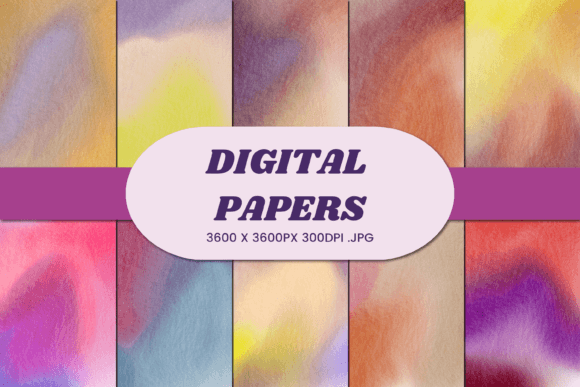
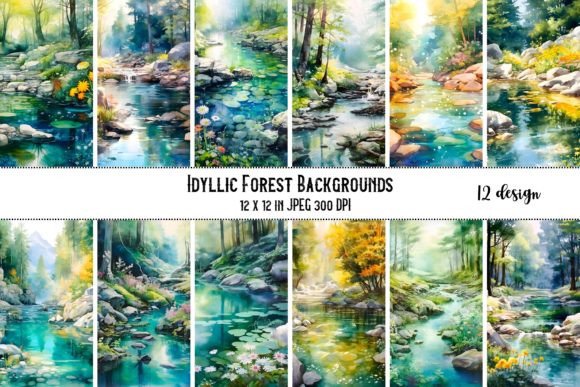
One of the most frequent misunderstandings regarding digital craft supplies is the assumption that all "high resolution" files are created equal. When you purchase a collection like this set of 12 printable backgrounds, you are not just buying images; you are buying precision. These files are specified as 300 dpi at 12 x 12 inches, which translates to a massive 3600 x 3600 pixels. This level of detail is non-negotiable if you intend to print physical copies.
A common mistake beginners make is assuming that a low-resolution image from a free website will suffice because it looks fine on a computer screen. When you try to enlarge or print such an image, the result is often pixelated, blurry, or jagged. This is where the value of a dedicated 300 dpi digital paper becomes clear. The watercolor texture should remain crisp and soft, mimicking real paint strokes rather than appearing blocky and artificial. If you skip verifying the DPI before purchasing, you risk ruining expensive paper stock and ink during a print run.
Maximizing Versatility Beyond the Scrapbook Album
While the name suggests these backgrounds are primarily for scrapbooks, limiting their use to album pages is a missed opportunity. The true power of this Watercolor Forest Scrapbook Backgrounds collection lies in its adaptability across various mediums. A savvy creator knows that a single investment can serve multiple purposes, provided they understand the technical requirements for each medium.
- Sublimation: If you plan to transfer these designs onto mugs, t-shirts, or tote bags, ensure your printer supports sublimation inks. Using standard inkjet paper for sublimation without the correct coating will result in washed-out colors and poor transfer.
- Digital Marketing: For bloggers and marketers, these JPGs are perfect for creating email signatures, social media headers, or presentation slides. However, remember that web-optimized images often need to be compressed for faster loading times, even if the source file is 300 dpi.
- Physical Products: From thank you cards to phone covers, the 12 x 12 inch format allows for easy cropping. You can extract a specific branch pattern for a logo background or use the full forest scene for a journal cover.
Failing to consider the end-use can lead to frustration. For instance, trying to use a heavy, dark forest design for a delicate wedding invitation might overwhelm the text. Always preview the background with your intended content overlay before committing to the final design.
Technical Nuances That Make or Break Your Project
Even with high-quality files, the workflow matters immensely. One overlooked detail is color management. Digital screens (RGB) and printers (CMYK) interpret color differently. A vibrant green in your browser might appear duller once printed. To mitigate this, always check the color profile of your software and consider doing a test print on regular paper before using your premium cardstock.
Another critical error involves file formats. While this collection offers JPEG format files, which are widely compatible, some advanced users might prefer PNGs for transparency. Since these are background textures, the solid edges of a JPEG are usually acceptable, but if you plan to layer them over other elements in photo editing software, ensure you have enough resolution to crop out any unwanted white borders that might appear during conversion.
Furthermore, do not underestimate the importance of the 3600 x 3600 px dimension. This square format is standard for many scrapbooking layouts and templates. If you attempt to force these images into rectangular frames without adjusting your canvas size first, you may inadvertently stretch the watercolor effect, distorting the artistic intent of the forest theme.
Evaluating Quality Before You Commit
Before adding any Watercolor Forest Scrapbook Backgrounds to your cart, take a moment to evaluate the specifics. Look beyond the thumbnail. Does the description explicitly state the DPI? Is the file size reasonable for a 3600-pixel image? High-quality scans of watercolor paintings retain subtle gradients and paper grain; if a sample looks flat or overly saturated, it may lack the depth required for professional work.
Consider the variety within the set. A good collection should offer a range of tones—some lighter for text-heavy areas and some darker for dramatic accents. If all 12 designs are nearly identical shades of green, your utility is limited. The best sets provide diversity, allowing you to mix and match textures to create dynamic layouts that tell a story.
Practical Steps for Better Results
To ensure satisfaction with your purchase, adopt a methodical approach. First, download the files to a dedicated folder immediately after purchase. Second, open them in your preferred design software to verify they render correctly. Third, perform a test print on standard paper to check color accuracy and texture clarity. Finally, organize your files by theme or color intensity so you can find the perfect match for your next project quickly.
By avoiding the pitfalls of low-resolution assumptions and neglecting color profiles, you unlock the full potential of these digital assets. Whether you are designing a custom logo for your new startup, creating a heartfelt junk journal for a hobby, or producing marketing materials for your blog, the right background sets the tone. With 12 high-quality designs ready for sublimation, printing, or digital use, you have the tools to elevate your creativity. Just remember that the difference between a mediocre project and a masterpiece often lies in the details you choose to prioritize.